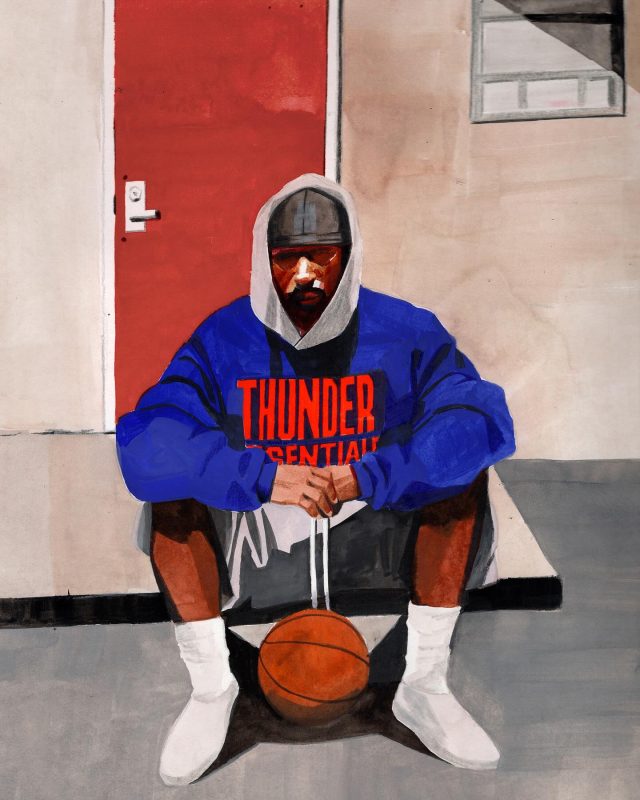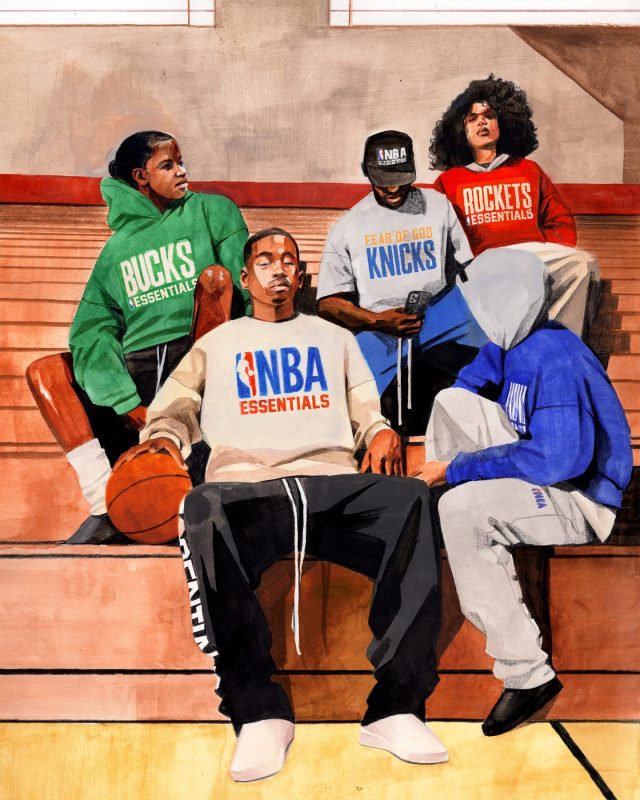

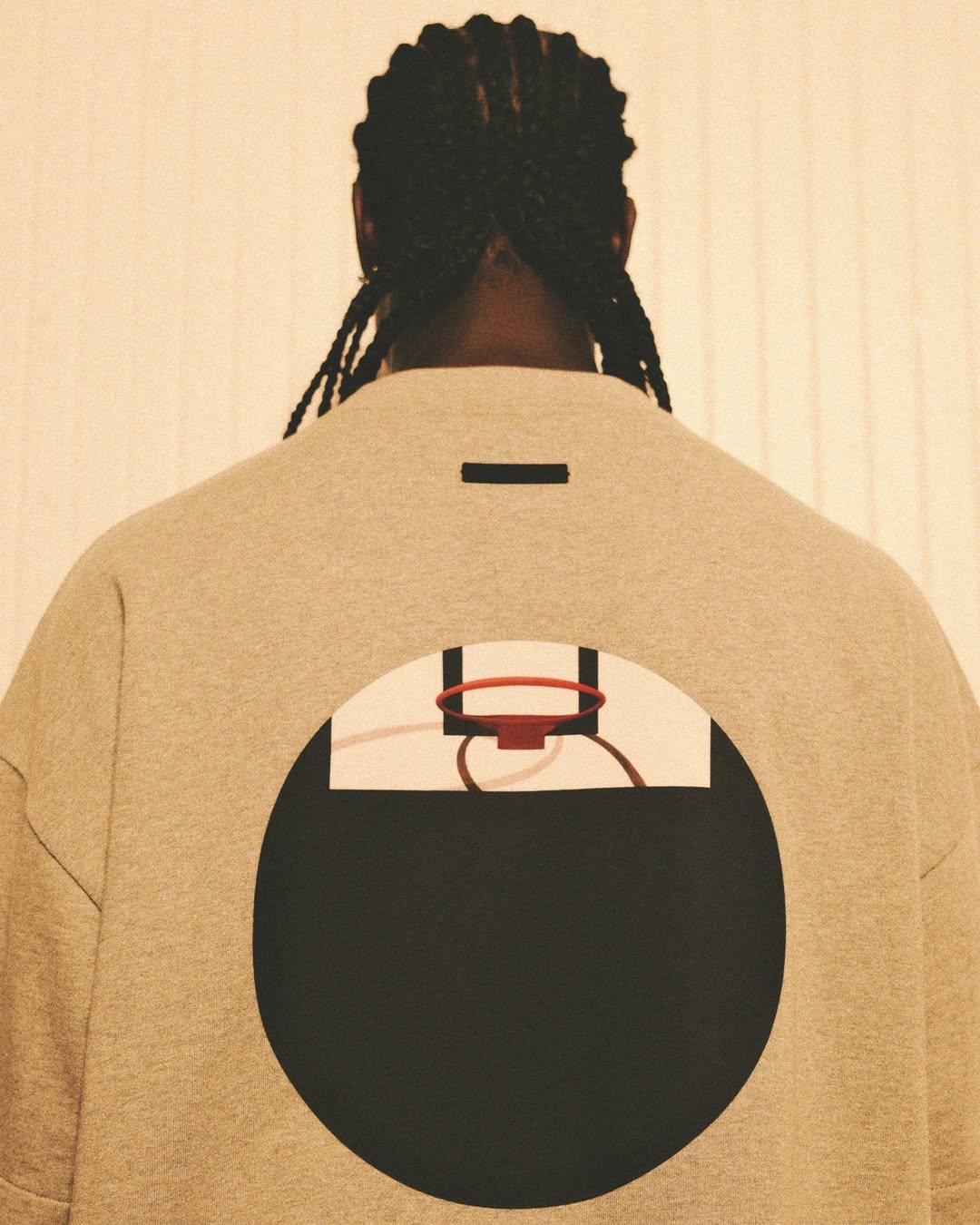
Streetwear keeps evolving. New labels drop every year. Still, some names stay strong in daily fashion. Essentials Hoodie is one of them.
It offers clean basics with a modern street feel. No loud graphics. No complicated patterns. Just strong silhouettes, neutral tones, and recognizable branding.
Let’s break it down.

The Origin of Essentials
Jerry Lorenzo founded Fear of God in 2013. The main label focused on luxury streetwear with premium pricing.
As demand grew, Lorenzo introduced Essentials. The idea was clear. Create everyday wardrobe pieces at more accessible prices while keeping the Fear of God aesthetic.
Essentials became the bridge between luxury street fashion and everyday wear. It kept the identity strong but made it reachable for a wider audience.
What Makes Essentials Clothing Different
Essentials focuses on structure and proportion.
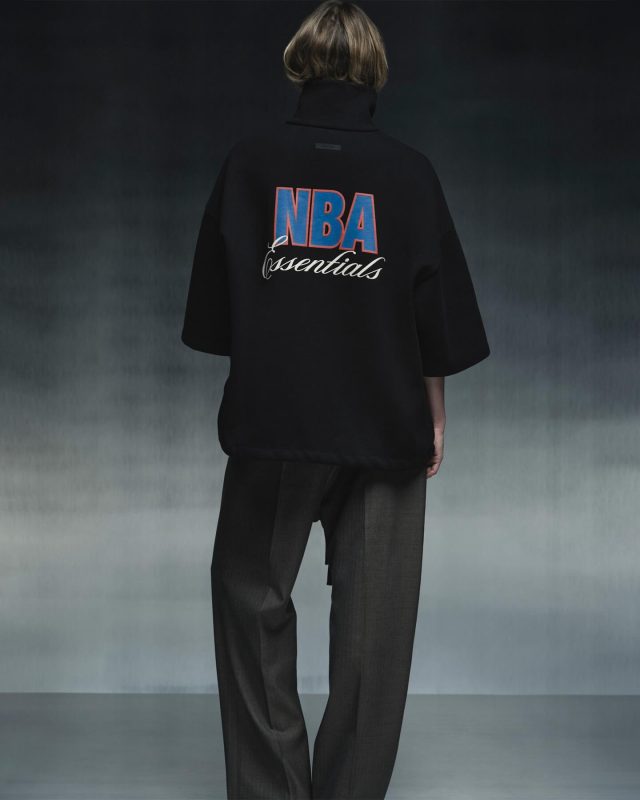
Oversized fits define most pieces. Hoodies, sweatshirts, and T-shirts feature dropped shoulders and relaxed cuts. The silhouette feels current without trying too hard.
Color palettes stay neutral. Beige, taupe, gray, black, cream, and muted earth tones dominate collections. These shades mix easily with other items in your wardrobe.
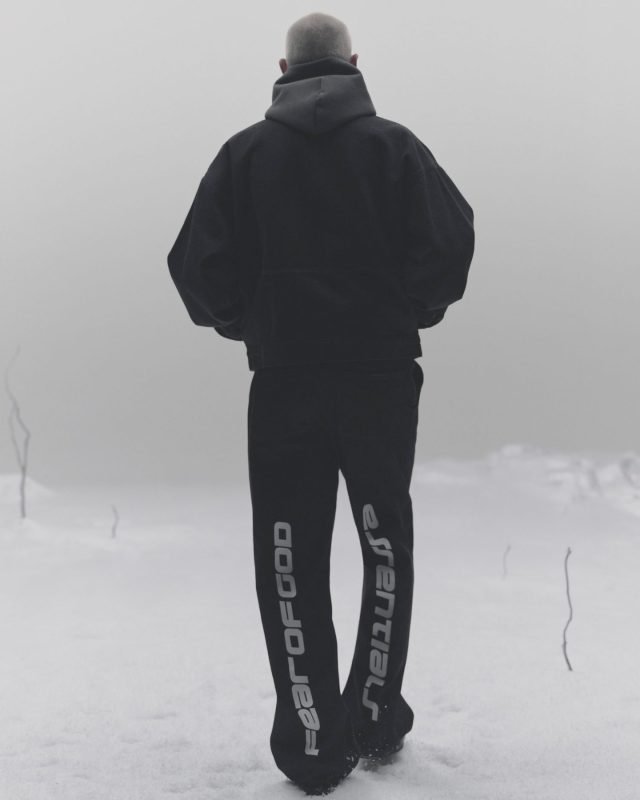
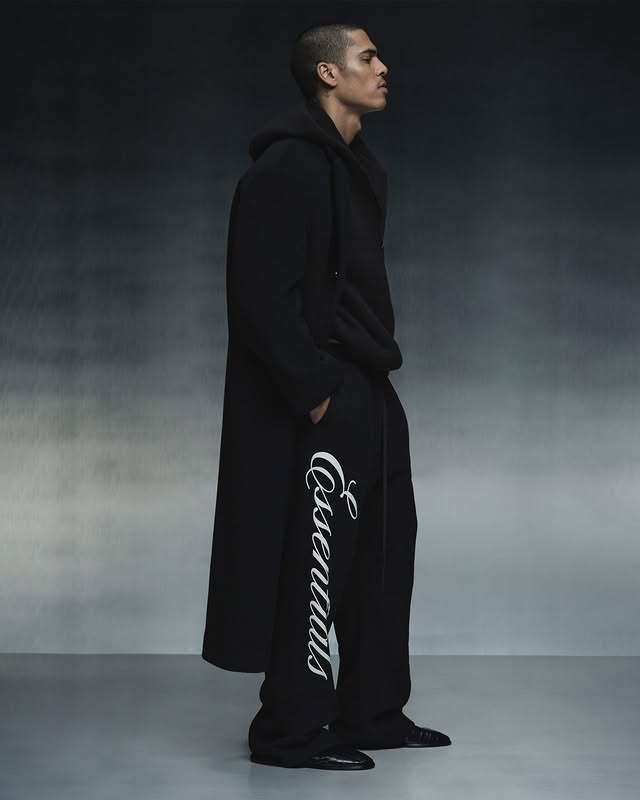
Branding remains minimal. The “ESSENTIALS” logo appears in bold, clean fonts across the chest or back. Some pieces feature “1977,” which references Jerry Lorenzo’s birth year.
This consistency creates strong brand recognition.
Core Product Categories
Essentials Clothing includes several staple pieces.
Hoodies
Heavyweight cotton blends with fleece interiors. Ribbed cuffs and hems keep structure intact. The oversized fit gives that relaxed street look.
Sweatshirts
Similar construction to hoodies but without the hood. Great for layering under jackets or wearing alone.
T-Shirts
Boxy cuts and thick cotton fabric define Essentials tees. The length and sleeve structure create a strong silhouette.
Sweatpants
Relaxed fit with elastic waistbands. The branding usually appears near the thigh. Perfect for full matching sets.
Outerwear
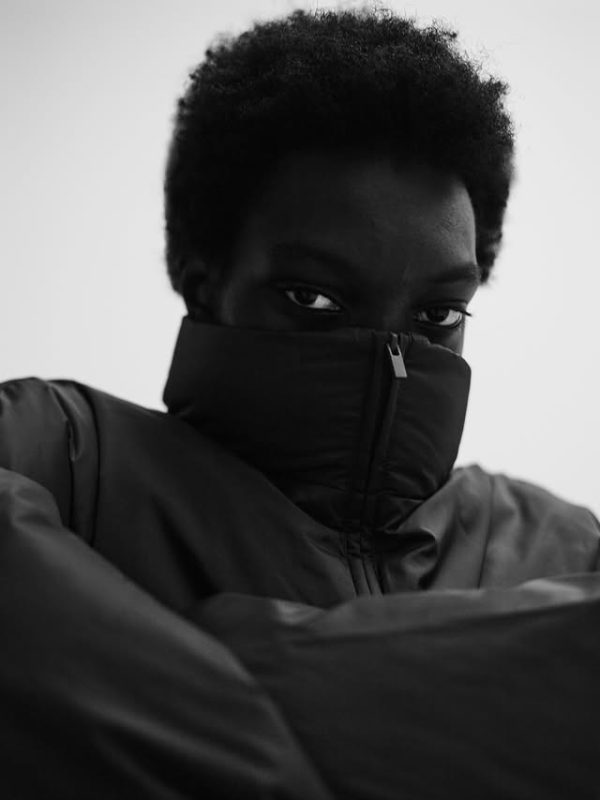
Some seasonal drops include puffer jackets and lightweight layers. These maintain the same neutral tone strategy.
Each piece feels connected. You can build a full outfit within the same collection.
The Fit Philosophy
Fit drives modern streetwear.
Essentials pieces lean oversized. This shape creates balance when paired with slimmer bottoms or structured sneakers.
Many buyers size down for a slightly tailored look. Others stay true to size to keep the full oversized aesthetic.
The key is proportion. Essentials does not rely on flashy graphics. It relies on shape.
Fabric and Construction
Fabric weight plays a big role in brand perception.
Essential Hoodie and sweatshirts often use heavyweight cotton blends. The material feels thick and substantial. Fleece lining adds warmth and comfort.
T-shirts use structured cotton that holds shape instead of clinging to the body.
Ribbing on cuffs and waistbands keeps pieces from losing form after wear.
When customers pick up the garment, they notice the density. That weight signals quality.
Why Essentials Became So Popular
Streetwear culture values identity. People want pieces that look current but still wearable every day.
Essentials fits that demand.
Celebrities, athletes, and influencers started wearing the brand in off-duty looks. Social media amplified visibility. Minimal outfits featuring neutral Essentials sets became common on Instagram and TikTok.
Limited drops increased demand. When collections sell out quickly, interest rises. Resale markets also fueled hype.
Still, beyond hype, the clothing offers something practical. You can wear it daily without feeling overdressed.
Price Positioning
Essentials sits between luxury and mainstream fashion.
Fear of God mainline pieces cost much more. Essentials provides similar visual language at lower prices.
This pricing strategy attracted younger buyers who admire luxury streetwear but cannot access high-end collections.
It also encouraged repeat purchases. Customers often buy multiple colors of the same hoodie or tee.
Styling Essentials Clothing
Here are a few ways to style it.
Clean Everyday Look
Beige hoodie
Light blue denim
White sneakers
Monochrome Fit
Gray sweatshirt
Matching gray sweatpants
Neutral sneakers
Layered Street Outfit
Oversized tee
Open flannel or jacket
Relaxed trousers
Chunky sneakers
Because the colors remain neutral, mixing and matching becomes simple.
Essentials and Streetwear Culture
Streetwear connects with music, sports, and youth culture. Essentials fits into that world without forcing attention.
The branding stays visible but not aggressive. The cuts reflect current fashion movements toward relaxed silhouettes.
Essentials clothing often appears in travel outfits, gym fits, studio sessions, and casual city walks.
It becomes part of a lifestyle rather than a single trend.
Quality Versus Hype
Some buyers chase drops for resale value. Others focus on comfort and fit.
The garments hold up well with proper care. Heavy fabrics resist quick wear. Structured cuts maintain their shape.
Still, popularity creates pressure. Fast sellouts sometimes push customers toward resale platforms at higher prices.
If you buy retail, the value feels balanced. If you pay resale, the decision depends on how much you value exclusivity.
Care Instructions
To keep your Essentials pieces looking fresh:
- Wash inside out
- Use cold water
- Avoid strong heat drying
- Air dry when possible
These steps help protect prints and prevent shrinkage.
Lessons for Streetwear Brand Owners
If you plan to build a streetwear label, study Essentials closely.
It focuses on:
- Clear brand identity
- Consistent color palettes
- Recognizable silhouettes
- Strategic pricing
- Limited drops to build demand
It does not overload designs with graphics. It keeps things clean.
That clarity strengthens brand memory.
The Future of Essentials Clothing
Fashion shifts quickly. Still, clean basics remain strong in every era.
Oversized fits may adjust slightly over time. Colors may rotate seasonally. Still, the core formula stays steady.
Neutral tones. Bold simple logo. Relaxed shape.
Essentials Clothing carved a place in modern street fashion by mastering simplicity. It proves that strong proportions and consistent branding can build long-term demand.
For buyers, it offers reliable everyday pieces with street credibility.
For brand builders, it shows that clarity and consistency matter more than noise.