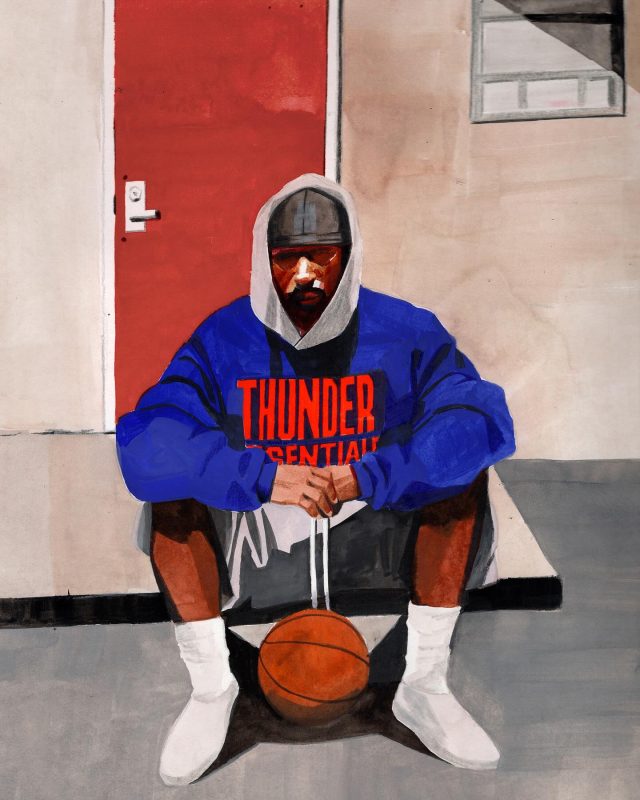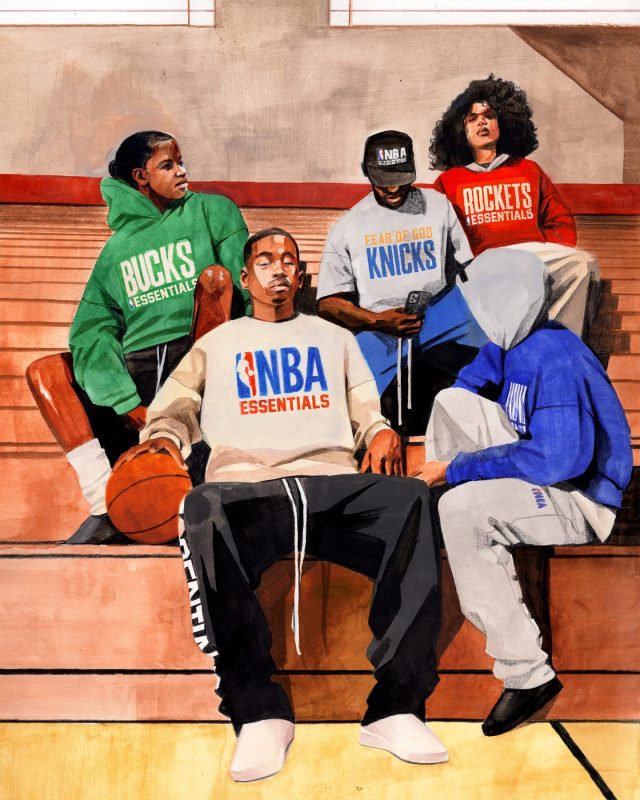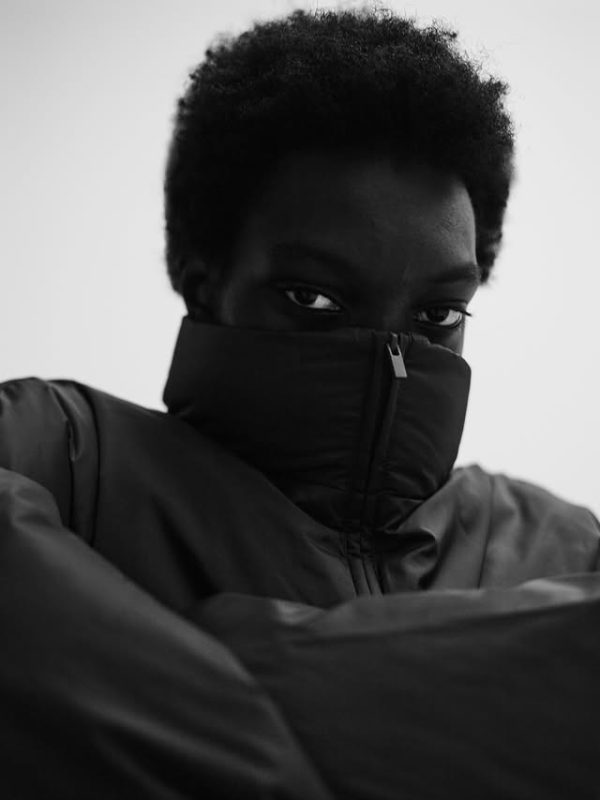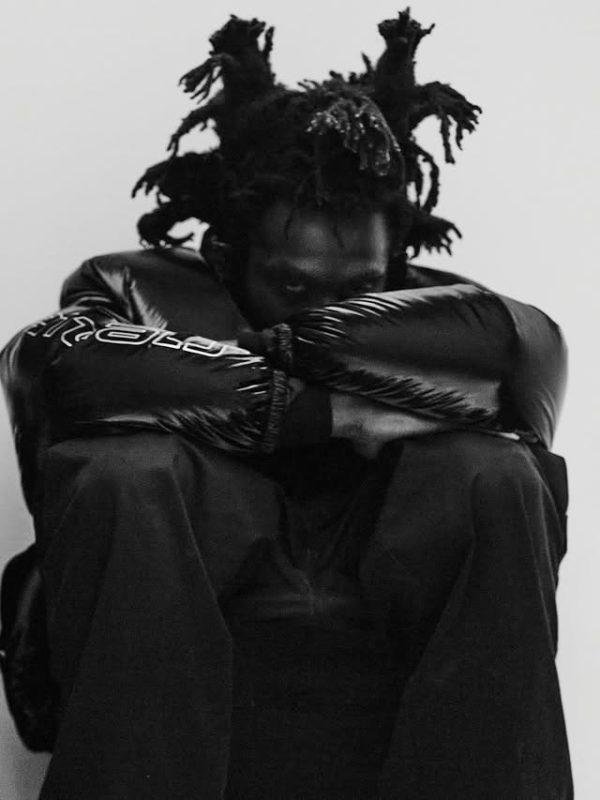

Essentials Clothing has become a strong name in modern streetwear. The brand focuses on clean design, relaxed fits, and neutral colors. It does not rely on loud graphics. It builds identity through shape, fabric, and subtle branding.

The Brand Background
Essentials is the diffusion line of Fear of God. Founder Jerry Lorenzo launched Fear of God in 2013. The main line sits in the luxury category. Essentials offers a more accessible price point while keeping the same design direction.
Jerry Lorenzo draws inspiration from American sportswear, 1990s culture, basketball style, and faith-based themes. You can see that influence in the relaxed cuts and muted tones across Essentials collections.
Here is why that matters.
Streetwear changes fast. Many brands chase trends. Essentials focuses on consistency. That steady approach builds long-term demand instead of short-term hype.
Core Product Categories
Essentials Clothing covers everyday wardrobe pieces. The collection usually includes:
- Hoodies
- Sweatshirts
- T-shirts
- Sweatpants
- Shorts
- Tracksuits
- Knitwear
- Outerwear
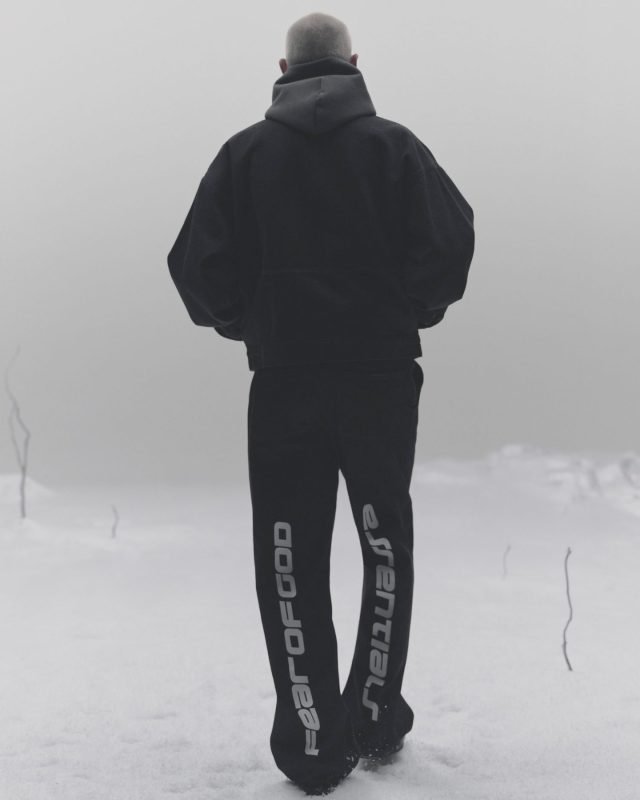
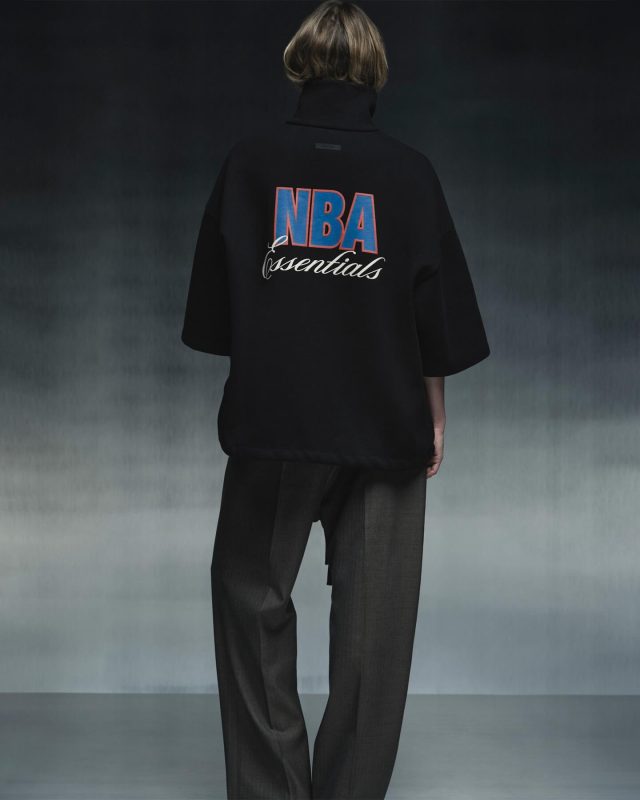
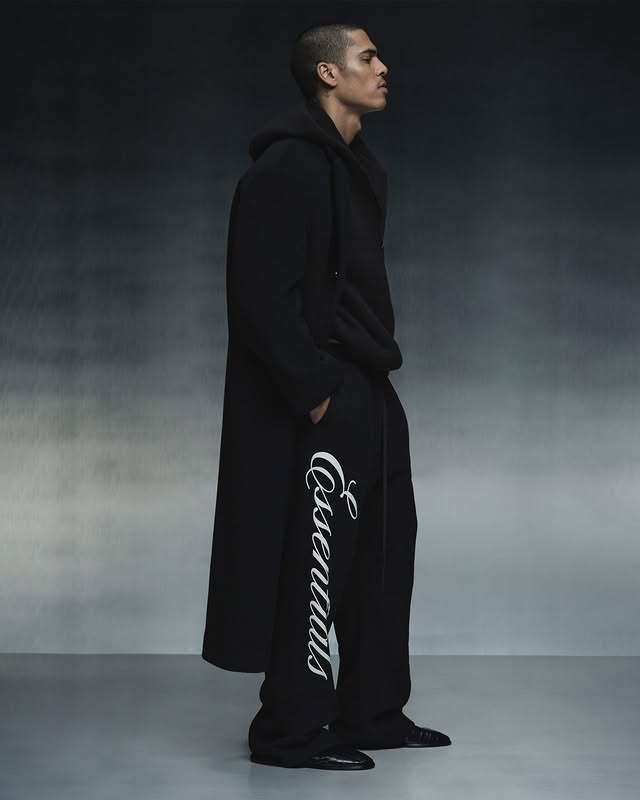
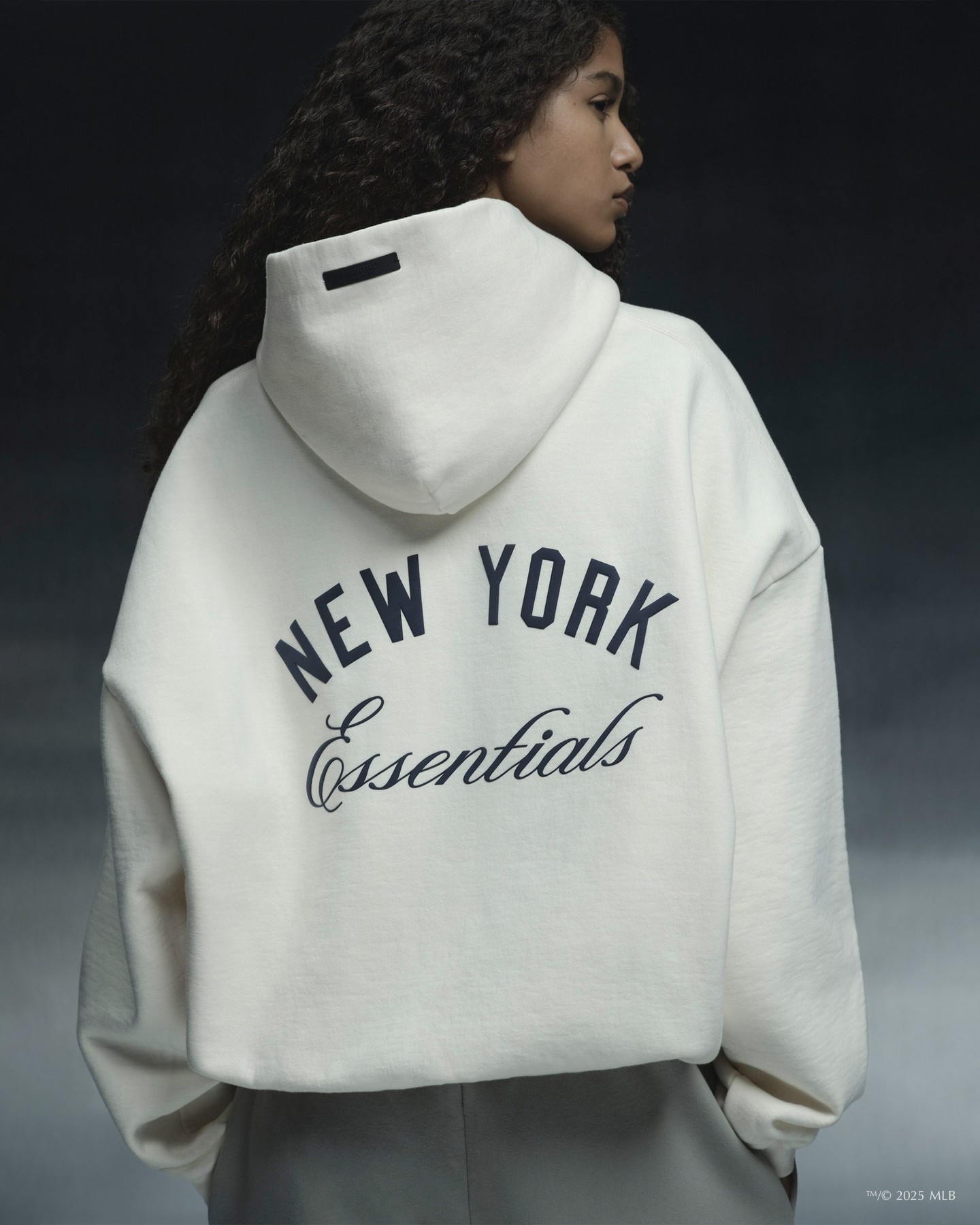
Each piece follows a similar design formula. The cuts feel oversized. The color palette stays neutral. The branding appears simple, often with a rubberized “ESSENTIALS” logo on the chest or back.
The logo placement changes by season. Some drops feature bold back prints. Others keep branding small and minimal.
Fabric and Quality
Essentials uses cotton and cotton-blend fabrics for most items. essentials hoodie and sweatpants often feature heavyweight fleece. T-shirts use thicker jersey material compared to basic fast-fashion tees.
The garments feel structured. They hold their shape well. The oversized silhouette depends on this structure. Thin fabric would not give the same drape.
Ribbed cuffs, reinforced stitching, and double-layer hoods appear in many pieces. These small construction details help the clothing feel premium without entering full luxury pricing.
Fit and Silhouette
Fit defines Essentials Clothing.
Most items feature:
- Dropped shoulders
- Boxy bodies
- Slightly cropped lengths
- Relaxed sleeves
- Loose leg openings in sweatpants
This shape connects to 1990s basketball and skate culture. It creates a laid-back yet styled look.
Some customers size down for a cleaner fit. Others choose true size for the intended oversized effect. Clear sizing charts help reduce confusion, especially for online stores.
If you plan to build your own streetwear brand, pay attention to fit development. Silhouette often matters more than logos.
Color Strategy
Essentials rarely uses bright colors. Instead, the brand sticks to tones like:
- Cream
- Taupe
- Black
- Heather gray
- Moss
- Brown
- Dusty pink
This neutral approach makes layering simple. A beige hoodie works with denim, cargos, or tailored trousers. A gray sweatshirt pairs easily with sneakers and a coat.
Neutral color strategy also increases repeat purchases. Customers feel safe buying multiple pieces because the tones match their existing wardrobe.
That smart color control plays a major role in brand identity.
Drop Model and Demand
Essentials releases collections in seasonal drops. Items essential hoodie often sell out quickly after launch. Limited supply builds anticipation before each release.
Retailers announce drop dates in advance. Social media increases awareness. Once stock runs out, resale platforms list items at higher prices.
This controlled release strategy keeps demand strong. It also prevents overexposure in the market.
If you are planning your own streetwear label, limited releases can help create buzz without overproducing inventory.
Pricing Position
Essentials Clothing sits in the premium streetwear range. Most hoodies retail between 90 and 120 dollars. T-shirts often range between 40 and 60 dollars. Sweatpants and outerwear cost more depending on fabric and season.
This pricing places Essentials above fast fashion but below high luxury brands. It targets customers who want quality and brand recognition without paying luxury runway prices.
The balance between accessibility and exclusivity gives Essentials broad appeal.
Cultural Impact
Essentials gained attention through celebrities, athletes, and influencers wearing the pieces casually. Unlike flashy designer outfits, Essentials often appears in everyday settings. That daily visibility increases relatability.
Social media helped expand the brand’s reach. Outfit photos, unboxing videos, and drop announcements spread quickly across platforms.
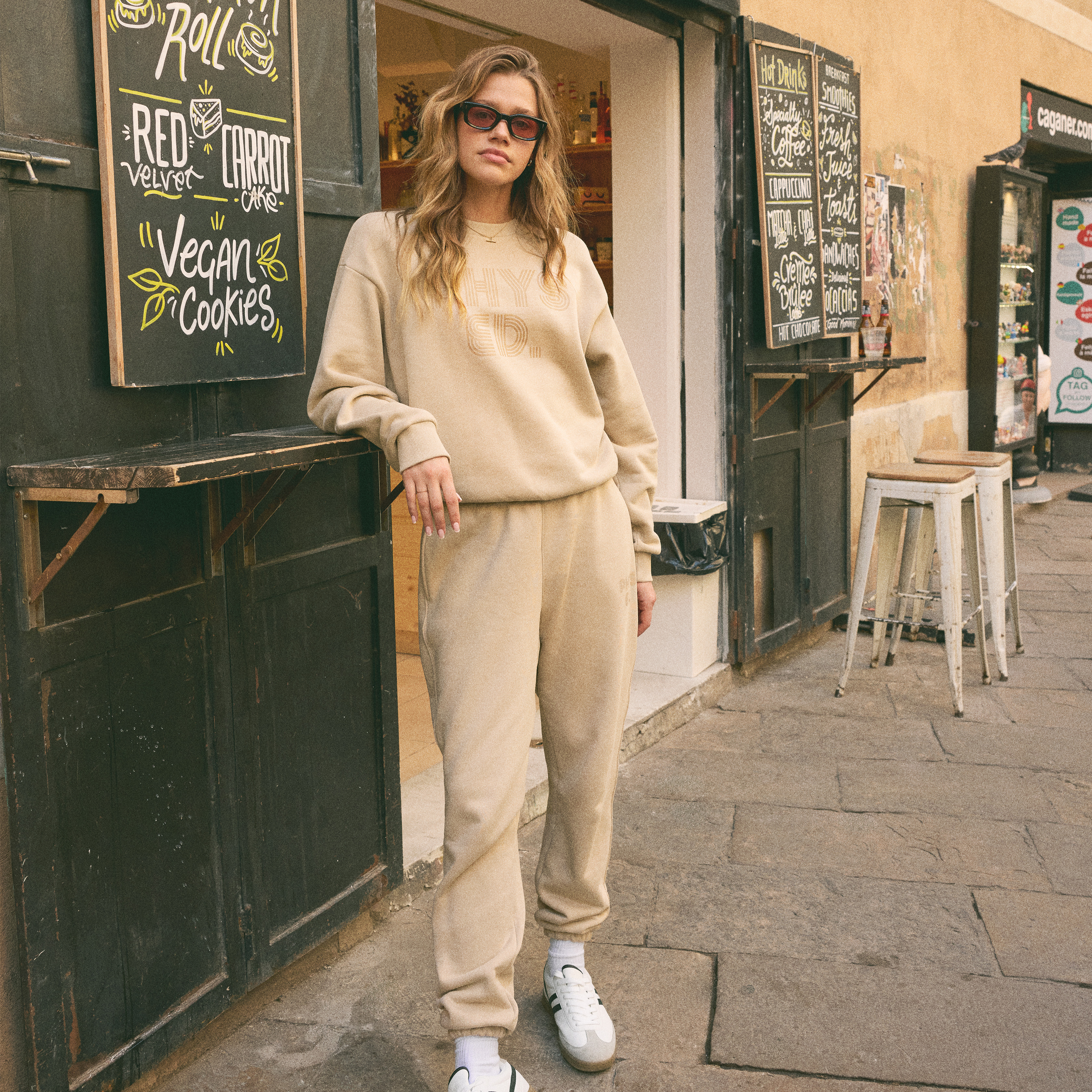
The oversized hoodie and sweat set became symbols of relaxed luxury. People wear them at airports, studios, coffee shops, and city streets.
That cultural visibility turned simple basics into status items.
Authenticity and Buying Tips
High demand leads to counterfeit products. Buyers should look closely at:
- Logo placement
- Rubberized text quality
- Fabric thickness
- Stitching consistency
- Official tags
Shopping from trusted retailers reduces risk. Clear product photos and detailed descriptions build buyer confidence.
If you run an online store, transparency builds trust. Show close-up shots. Display fit images. Include sizing guidance.
Why Essentials Clothing Stands Out
Essentials succeeds because it focuses on core wardrobe pieces. It does not overcomplicate design. It refines basics instead of chasing loud trends.
The brand proves that minimal branding, strong silhouettes, and controlled drops can create strong demand.
For someone like you who is interested in starting a streetwear and luxury street fashion brand, Essentials offers a clear lesson. Build a strong identity. Keep design consistent. Control supply. Focus on fit and fabric.
Customers remember how clothing feels and fits more than how loud the logo looks.
That approach helped Essentials grow from a secondary line into a global streetwear staple.